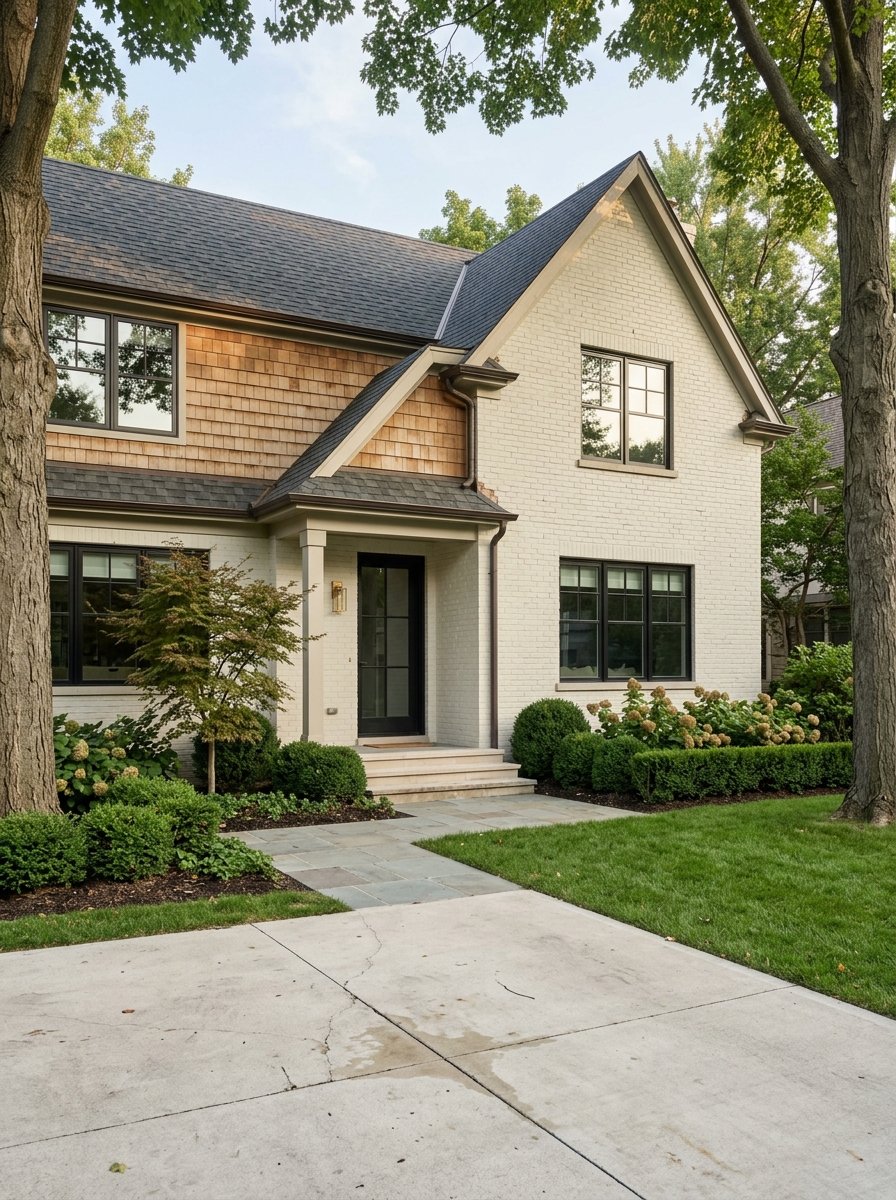
Bloomfield Hills vs Birmingham MI: Choosing Your Home
April 2, 2026
April 2, 2026
If you are choosing between Bloomfield Hills and Birmingham, you are not just comparing addresses. You are deciding what kind of daily life feels right for you. Both communities are well-known Oakland County destinations, but they offer very different experiences in space, housing, and lifestyle. This guide will help you compare the two clearly so you can move forward with more confidence. Let’s dive in.
The biggest difference between Bloomfield Hills and Birmingham is not commute time. It is how each place feels when you live there day to day.
Bloomfield Hills is known for a quieter, more private residential setting. The city describes itself as a community centered on quiet wooded lots, stately homes, and limited commercial development in residential areas, which helps preserve its spacious character. You can explore that city profile through the Bloomfield Hills community overview.
Birmingham offers a more active, compact, and pedestrian-friendly environment. Its downtown district features nearly 300 retailers, restaurants, service businesses, movie theaters, and a central park, which gives the city a more connected, on-the-go rhythm. You can see that reflected in Downtown Birmingham’s official overview.
If you picture your ideal day as quiet mornings, more land, and a residential setting with privacy, Bloomfield Hills may feel like a better match. If you want to walk to coffee, dinner, shops, events, and parks, Birmingham may be the easier fit.
One of the clearest ways to understand these communities is to look at population density. Bloomfield Hills has about 4,400 residents across 5 square miles, while Birmingham has about 21,800 residents across 4.8 square miles, according to Census Reporter data for Bloomfield Hills and Birmingham.
That gap matters in real life. Birmingham’s higher density helps create a more compact city feel, especially around its downtown core. Bloomfield Hills, by contrast, feels more open and residential because there are fewer people spread over a similar amount of land.
Bloomfield Hills also has an older median age at 48.4, compared with Birmingham’s 41.8. While that does not define who should live in either community, it does support the idea that Bloomfield Hills tends to feel more established and quieter overall.
If home style and pricing are high on your list, the contrast becomes even more noticeable. Bloomfield Hills generally sits higher on the price ladder.
According to Data USA’s Bloomfield Hills profile, Bloomfield Hills has a median property value of $947,900, a median household income of $189,942, and a homeownership rate of 85.8%. Birmingham is also affluent, but lower on those measures, with a median property value of $698,300, median household income of $153,510, and a homeownership rate of 77.1%.
That does not mean Birmingham is inexpensive. It means Bloomfield Hills more often aligns with buyers looking for larger properties, estate-style settings, and a greater degree of privacy.
Bloomfield Hills is primarily residential, with city materials emphasizing wooded lots, privacy, and stately homes. Zoning rules also generally limit commercial business in residential areas, which helps protect that quieter setting. In practical terms, Bloomfield Hills is often the better shorthand for estate-style living.
For buyers who value space between homes, mature landscaping, and a more tucked-away feel, that housing profile can be a major draw. It is a community where the setting itself is part of the appeal.
Birmingham offers more housing variety. A city finance model references detached single-family homes, duplexes, townhouse or attached condo units, and multi-unit apartment buildings, which supports Birmingham’s reputation as a more mixed and flexible housing market. You can find that mix in the City of Birmingham finance model.
That variety can matter if you want options. Whether you are considering a traditional home, a condo near downtown, or something lower maintenance, Birmingham generally gives you a wider range of housing types within one city.
If walkability is a top priority, Birmingham has the clearer edge. Its downtown is designed around a pedestrian-friendly experience with shopping, dining, salons, spas, art galleries, hotels, events, and a farmers market. That environment makes it easier to build more of your daily routine around a central district.
Birmingham also offers 26 parks, two nine-hole golf courses, and several downtown recreation spaces. You can browse local amenities through the Birmingham parks and downtown resources.
Bloomfield Hills is different. It is less about a concentrated downtown scene and more about a residential environment with signature cultural institutions. That distinction is important because the right choice depends on whether you want activity close by or space and privacy to come home to.
Bloomfield Hills has a strong cultural identity tied to Cranbrook. The city highlights the 315-acre Cranbrook Educational Community, a National Historic Landmark campus that includes the Academy of Art, Art Museum, Center for Collections and Research, House and Gardens, Institute of Science, and Schools. You can learn more through the Cranbrook Educational Community page.
The city’s resident materials also reference institutions such as the Academy of the Sacred Heart, St. Hugo of the Hills, Roeper, and Bloomfield Open Hunt. Together, these features reinforce Bloomfield Hills as a place with a strong concentration of cultural and private institutional assets inside the city itself.
Birmingham’s community identity leans more toward downtown activity and public gathering spaces. Parks, public art, events, retail, and restaurants shape the city’s daily experience in a more visible and interactive way.
If schools are part of your search, both communities offer established educational ecosystems, but the emphasis is different. Bloomfield Hills Schools highlights dynamic learning environments, International Baccalaureate, and experiential learning through resources such as Bowers Farm and Johnson Nature Center. You can review district information on the Bloomfield Hills Schools website.
Birmingham Public Schools serves nine municipalities and includes eight elementary schools, two middle schools, two high schools, and districtwide programs, according to the research provided. That larger footprint may appeal if you want a broader public-school district structure.
The practical takeaway is simple. Bloomfield Hills has a notable concentration of private-school and cultural institutions within the city, while Birmingham combines a larger public-school footprint with parks and a walkable downtown environment. Which feels better depends on the lifestyle you want around your home search.
Commute time is surprisingly similar between the two. Bloomfield Hills has an average commute of 20.1 minutes, while Birmingham comes in at 20.3 minutes, based on Data USA community data.
That means commute length alone may not help you decide. A better question is how you want your day to function before and after work.
Bloomfield Hills has a higher share of drive-alone commuters at 74.6%, compared with 65.9% in Birmingham. Birmingham also has a higher work-from-home share at 26.3%, versus 16.3% in Bloomfield Hills. Those patterns support what many buyers already sense: Birmingham fits a more mixed urban-suburban routine, while Bloomfield Hills leans more private and residential.
| Category | Bloomfield Hills | Birmingham |
|---|---|---|
| Overall feel | Spacious, private, residential | Compact, active, walkable |
| Population density | About 890.3 people per sq. mile | About 4,540.1 people per sq. mile |
| Median property value | $947,900 | $698,300 |
| Housing mix | Estate-style, primarily residential | Detached homes, condos, duplexes, apartments |
| Commercial activity | Limited commercial development | Strong downtown retail and dining presence |
| Walkability | Lower | Higher |
| Signature assets | Cranbrook and residential privacy | Downtown district, parks, events |
| Average commute | 20.1 minutes | 20.3 minutes |
Bloomfield Hills may be the better fit if you are looking for:
This option often appeals to buyers who want their home environment to feel tucked away and protected from busier daily activity.
Birmingham may be the better fit if you are looking for:
This option often appeals to buyers who want convenience, activity, and flexibility built into everyday life.
When buyers compare Bloomfield Hills and Birmingham, the decision usually becomes clearer once they stop asking which city is better and start asking which one fits their routine. Bloomfield Hills offers more privacy, larger-lot living, and a quieter residential setting. Birmingham offers walkability, downtown energy, and a broader mix of housing and amenities.
If you want help narrowing down where you will feel most at home, Sandy Farida offers personalized guidance across Birmingham, Bloomfield Hills, and nearby Oakland County communities. Whether you are buying, selling, relocating, or exploring your options, you can move forward with clear advice and a strategy built around your goals.
Stay up to date on the latest real estate trends.
Serving Birmingham and Oakland County’s most sought-after communities, Sandy Farida combines local expertise with elevated service. With deep community roots and strong cultural understanding, she delivers a discreet, strategic experience tailored to every client she represents.
Farida Properties
400 S Old Woodward Ste 100 Birmingham, MI 48009