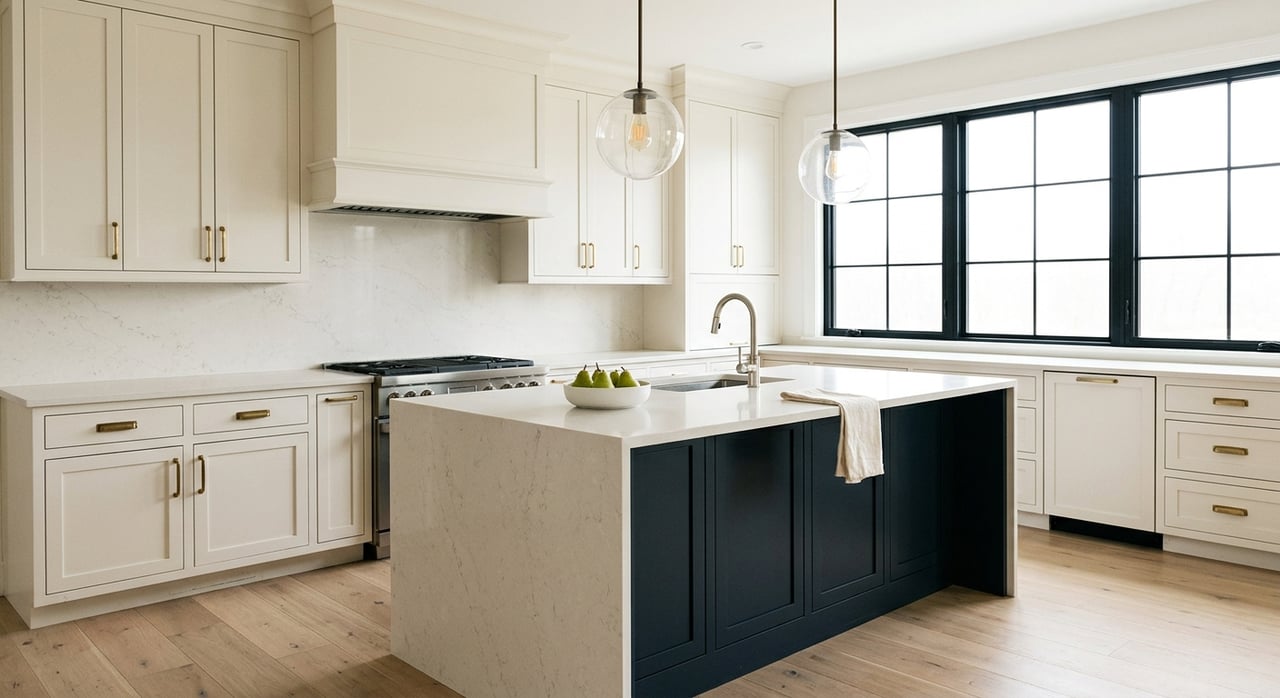
How To Sell Your Troy MI Home With Confidence
April 16, 2026
April 16, 2026
Selling a home can feel like a high-stakes decision, especially when the market is active but buyers are still price-sensitive. If you are planning to sell your Troy home, you want more than guesses and generic advice. You want a clear plan that helps you price smart, prepare well, and evaluate offers with confidence. Let’s dive in.
Before you list, it helps to understand what the current market is really telling you. According to the U.S. Census Bureau Troy QuickFacts, Troy has 89,209 residents, a 73.3% owner-occupied housing rate, a median household income of $120,045, and a median owner-occupied home value of $420,300. Those numbers reflect a stable, owner-heavy community where many buyers are looking for long-term value.
At the same time, pricing still requires discipline. Redfin’s Troy housing market data reported a February 2026 median sale price of $404,500, homes selling in 19 days, a 99.8% sale-to-list ratio, and 15.8% of listings taking price cuts. That tells you buyers are still willing to act quickly on the right home, but overpricing can lead to unnecessary reductions.
Another useful reference point comes from Zillow’s Troy home values page, which shows an average home value of $447,005 and homes going pending in about 35 days. Because Redfin tracks closed sales and Zillow tracks estimated values, the figures are not identical. Together, though, they point to a market where pricing precision matters more than optimism.
One of the biggest mistakes sellers make is setting a price based on what they want the home to be worth rather than what buyers are actually paying. In Troy, where homes are still selling close to asking price, a strong list price can create momentum early. A high list price without support from recent comparable sales can do the opposite.
That matters even more when financing costs are still shaping buyer behavior. Freddie Mac’s Primary Mortgage Market Survey showed the 30-year fixed rate at 6.37% on April 9, 2026. When rates are elevated, buyers often become more selective, and the quality of financing behind an offer can matter just as much as the number on page one.
The goal is not simply to list high and negotiate down. The goal is to attract serious buyers quickly, reduce the odds of sitting on the market, and protect your leverage while interest is fresh.
If you want to sell with confidence, give yourself time. Zillow’s pre-listing preparation guidance recommends a planning window of 60 to 90 days before listing. That time can help you handle repairs, declutter, deep clean, and get your home ready for professional marketing.
This does not mean you need a full renovation. In most cases, strategic preparation matters more than expensive upgrades. Buyers tend to respond best to homes that feel clean, cared for, and easy to picture themselves in.
A practical pre-listing checklist may include:
Presentation can influence both timing and perceived value. The National Association of Realtors 2025 staging report found that 29% of agents saw staged homes receive a 1% to 10% increase in offered value, 49% said staging reduced time on market, and 83% of buyers’ agents said staging helped clients visualize the property as a future home.
For many Troy sellers, that does not mean filling the house with rented furniture. It often means making smart, simple changes that improve flow and reduce distraction. Think neutral decor, open surfaces, brighter rooms, and fewer personal items.
That approach fits Troy especially well. The Census QuickFacts for Troy show that 95.9% of households have a broadband subscription and 64.8% of residents age 25 and older hold a bachelor’s degree or higher. In a market with strong digital engagement, your online presentation is often the first showing.
Today, your photos, floor plan, and listing description are not extras. They are central to your marketing strategy. Buyers often decide whether to visit a home based on what they see online first.
That is why strong photography and polished listing materials matter. Zillow’s 2026 listing timing research notes that buyers respond more strongly to listings that look good online, and it identifies Thursday as the strongest day to list. If nearly every serious buyer in Troy is browsing online, a polished digital debut can help your home stand out right away.
A strong digital listing package should highlight:
If your move timeline is flexible, seasonality may work in your favor. According to Zillow’s 2026 best time to list research, the national sweet spot is the last two weeks of May. Its Detroit-specific analysis also found that the best price window in the metro was the second half of May, with a 3.2% premium and about an $8,000 boost on a typical home.
That does not mean every seller should wait for spring. Life events, relocation needs, and financial goals matter too. Still, if you are deciding when to launch, spring planning can be especially relevant for Troy homeowners who want to maximize equity.
Selling with confidence also means getting ahead of the legal side of the transaction. Under the Michigan Seller Disclosure Act, sellers are generally required to provide a written Seller’s Disclosure Statement. The statutory form covers topics like systems, roof leaks, basement water, environmental conditions, assessments, and litigation.
This is not something to leave until the last minute. The law states that failure to provide a signed disclosure can allow a purchaser to terminate an otherwise binding purchase agreement. It also makes clear that disclosures must be made in good faith and may be amended in writing if something changes.
If your home was built before 1978, there is another important step. The EPA’s lead-based paint disclosure guidance says sellers of most pre-1978 housing must disclose known lead-based paint information, provide available records and the EPA pamphlet, and allow buyers a 10-day opportunity for a paint inspection or risk assessment unless the parties agree otherwise.
When offers come in, it is easy to focus on price alone. But the strongest offer is not always the highest one. You also need to consider financing strength, contingencies, timing, and the overall likelihood of closing smoothly.
The Consumer Financial Protection Bureau notes that buyers commonly make offers contingent on financing and a satisfactory inspection, and that an appraisal is separate from the inspection. The State Bar of Michigan home purchase guide adds that purchase agreements should clearly address deposits, contingencies, title insurance, and closing adjustments.
Here is a simple way to compare offers:
A slightly lower offer with stronger financing and fewer hurdles may leave you in a better position than a higher offer that carries more risk.
Many sellers focus on sale price and forget to budget for closing costs. In Michigan, the State Bar of Michigan brochure explains that sellers generally pay two transfer taxes. The county transfer tax is $0.55 per $500 of the sale price, and the state transfer tax is $3.75 per $500.
The same guide notes that real property taxes are prorated at closing and that most closings are handled by a title company, mortgage company, or lawyer. If you need to stay in the home after closing, delayed possession is commonly handled as rent and is often tied to the buyer’s principal, interest, taxes, and insurance.
Knowing these details in advance helps you plan your net proceeds more accurately and avoid surprises as closing approaches.
Selling your Troy home with confidence is not about guessing the market perfectly. It is about making informed choices at each step, from pricing and preparation to disclosures, marketing, and offer review. In a market where well-priced homes can still move quickly but overpricing can backfire, a steady, well-planned approach gives you an advantage.
If you are thinking about selling in Troy or anywhere nearby in Oakland County, working with a trusted local advisor can make the process feel far more manageable. For personalized guidance on pricing, preparation, and next steps, connect with Sandy Farida.
Stay up to date on the latest real estate trends.

Serving Birmingham and Oakland County’s most sought-after communities, Sandy Farida combines local expertise with elevated service. With deep community roots and strong cultural understanding, she delivers a discreet, strategic experience tailored to every client she represents.

Farida Properties
400 S Old Woodward Ste 100 Birmingham, MI 48009