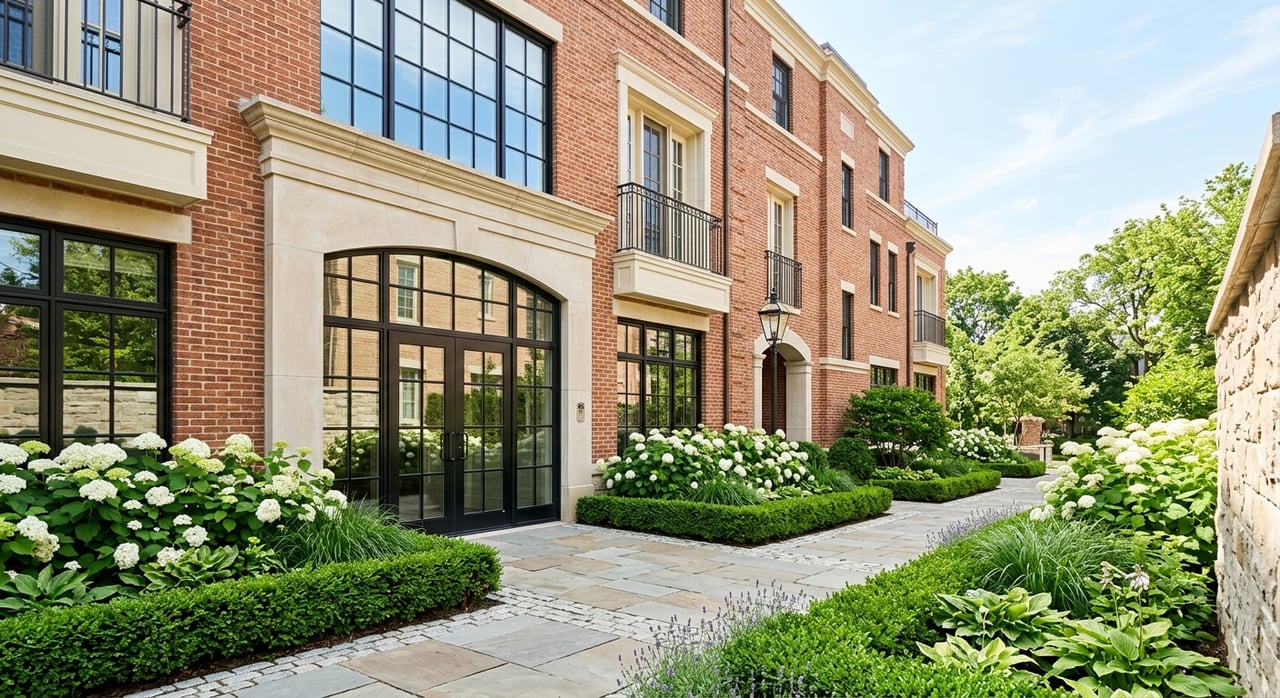
Royal Oak MI Condo Guide: Is This the Right Fit?
June 18, 2026
June 18, 2026
Wondering whether a Royal Oak condo is the smart next step for your lifestyle and budget? You are not alone. For many buyers, a condo can offer a simpler ownership experience and a chance to stay close to downtown Royal Oak, but it also comes with monthly dues, shared rules, and building-level questions that matter just as much as the purchase price. This guide will help you weigh the tradeoffs, understand the local numbers, and decide whether a Royal Oak condo truly fits your goals. Let’s dive in.
Royal Oak condos cover a wider range than many buyers expect. Current market data shows 72 condos for sale in Royal Oak, with a median listing price of $285,000. Listings currently range from a 616 square foot one-bedroom priced at $129,900 to a 2,078 square foot three-bedroom priced at $825,000.
That range matters because condo ownership in Royal Oak is not one-size-fits-all. Some units may offer an easier entry point for buyers trying to stay in the area, while others compete more directly with move-up homes in nearby markets. In other words, the word “condo” alone does not automatically mean lower cost.
Royal Oak also remains a competitive market. Over the last three months, homes sold in about 23 days and received an average of two offers. The current condo inventory pace is about 34 days, which means well-priced units can still move quickly.
For many buyers, the appeal starts with lower-maintenance ownership. In a condo, owners typically share responsibility for the exterior and common areas through the association. That can reduce the day-to-day upkeep you would usually handle with a detached home.
A condo can also be a strong lifestyle choice if you want to be near the activity of downtown Royal Oak. The city describes downtown as a destination for dining, shopping, and community events, with more than 45 retail destinations and over 5.3 miles of sidewalks. If being able to get out and enjoy that environment matters to you, location may be one of the biggest reasons to choose a condo here.
At the same time, not every Royal Oak condo offers the same experience. Popular condo areas include Downtown Royal Oak, Royal Gardens, Pleasant Gardens, Oakmount Park, and Woodward Avenue. That is why it is important to look closely at each building’s exact location, parking setup, and street-level access instead of assuming every condo has the same walkability or convenience.
A Royal Oak condo may create a pricing advantage compared with some nearby suburban home markets, but the gap is not always dramatic. Over the last three months, Troy had a median sale price of $435,739, while Farmington Hills was at $378,773. Both are above the current Royal Oak condo median list price of $285,000.
That sounds encouraging at first, but the comparison needs context. Farmington Hills is still relatively close to Royal Oak’s overall median sale price of $374,776. So if you are comparing a condo in Royal Oak against a detached home in another suburb, the savings may be meaningful, modest, or not there at all depending on the specific properties.
The better question is often this: What are you trying to prioritize? If you want to stay near Royal Oak and reduce maintenance, a condo may offer a strong value. If your top priorities are a yard, more privacy, or fewer shared building rules, a detached home may still be the better fit.
If your ideal day includes walking to coffee, dinner, shops, or community events, certain Royal Oak condos can line up well with that lifestyle. Downtown Royal Oak is especially attractive for buyers who want that kind of access. The broader city has a Walk Score of 57, so the downtown experience is stronger than the city average.
Still, it is worth remembering that condo listings across Royal Oak are spread across more than one area. One building may put you close to downtown activity, while another may feel more residential or car-dependent. Before you buy, think honestly about how you want your daily routine to work.
Parking is one of the biggest practical details in Royal Oak condo living. Downtown Royal Oak has four parking structures, and the city says the first two hours are free Monday through Saturday, with hourly charges after that. On-street parking has a three-hour maximum, and some downtown monthly parking permits range from $45 to $75.
That means you should never assume a condo’s location automatically solves your parking needs. Ask whether the unit includes assigned parking, garage access, guest parking, or only permit-based options. If you have more than one vehicle or expect visitors often, this question becomes even more important.
One of the most common surprises for buyers is that the mortgage is only part of the picture. Condo dues are usually paid separately from the mortgage, and they can range from a few hundred dollars a month to more than $1,000 a month. That can change your affordability picture quickly.
Those monthly dues may cover exterior maintenance and common areas, and sometimes water, sewer, trash, insurance, reserves, or recreational amenities. What is included varies by association, so the smart move is to ask for a clear breakdown. A lower list price does not always mean a lower monthly cost.
When you compare a condo with a detached home, look at the full monthly number. Include the mortgage, taxes, insurance, association dues, and any parking-related costs. That is the only way to make a true apples-to-apples decision.
In Michigan, condo due diligence is not something to rush through. The Michigan Condominium Buyer’s Handbook makes clear that condo associations are private entities and are not regulated by a government agency in the way some buyers assume. That makes document review especially important.
Associations must keep books and records, provide annual financial statements, and maintain a reserve fund for major repairs and replacement of common elements. The handbook says the reserve fund minimum is 10% of the annual budget on a non-cumulative basis. If the association needs more money, it may assess owners for additional amounts.
This is why reserve strength and assessment history should be treated as major affordability questions. Monthly fees and assessments are a lien on the condo unit, so weak reserves or major upcoming repairs can directly affect your finances.
Before moving forward, ask for the key condo documents and read them carefully. Important items include:
These documents can tell you a lot about how the association operates and whether there may be financial or maintenance concerns ahead. They can also reveal restrictions that may affect how you live in or use the property.
Condo bylaws can include rules on pets, renovations, occupancy, and rentals. If you think you may want to rent the unit later, this deserves extra attention. Michigan’s handbook states that associations may amend condominium documents regarding rental of units or terms of occupancy.
That means a condo may not be the best fit if your long-term plan depends on flexible rental options. It is better to verify those rules upfront than to assume you can make that decision later.
Condo insurance can be more layered than insurance for a detached home. The association’s master insurance policy usually covers common areas, but you will still need your own policy for the unit. What the master policy covers can vary, including whether it extends into parts of the unit interior.
Before you buy, ask exactly what the association’s insurance covers and where your own responsibility begins. This is a small question on the front end that can prevent major confusion later.
A Royal Oak condo may be a strong fit if you want a home that offers less exterior maintenance and better access to downtown amenities. It can also make sense if you want to stay in or near Royal Oak and a detached home feels out of reach or less aligned with your lifestyle.
Many buyers who consider condos are looking for convenience, simplicity, and location. That can include first-time buyers, busy professionals, downsizers, or relocation buyers who want a lower-maintenance option in a well-known Oakland County community.
A detached home may be a better fit if you place more value on a private yard, more separation from neighbors, and fewer association rules. Neither option is better across the board. The right choice depends on how you want to live and what tradeoffs you are comfortable making.
As you narrow your options, keep these practical questions front and center:
Clear answers to these questions can help you spot the difference between a condo that only looks attractive online and one that truly supports your goals.
A Royal Oak condo can be a great move if you value location, lower-maintenance living, and the chance to own in a city with a strong downtown draw. It can also be a practical stepping stone into homeownership or a smart simplification move if you want less exterior upkeep. But the decision should go beyond list price and square footage.
The right condo is the one that works for your budget, your lifestyle, and your future plans. That means looking closely at dues, reserves, rules, insurance, parking, and the building’s overall health. With the right guidance, you can make that decision with more clarity and far less stress.
If you are weighing condo options in Royal Oak or comparing them with homes in Troy, Farmington Hills, or nearby Oakland County communities, Sandy Farida can help you evaluate the details, protect your investment, and move forward with confidence.
Stay up to date on the latest real estate trends.

Serving Birmingham and Oakland County’s most sought-after communities, Sandy Farida combines local expertise with elevated service. With deep community roots and strong cultural understanding, she delivers a discreet, strategic experience tailored to every client she represents.

Farida Properties
400 S Old Woodward Ste 100 Birmingham, MI 48009