Planning A Successful Birmingham MI Luxury Home Sale
June 4, 2026
June 4, 2026
Selling a luxury home in Birmingham is rarely as simple as putting a sign in the yard and waiting for the right buyer. In a market where presentation, pricing, and privacy all carry real weight, the details matter from the very beginning. If you want to protect your investment and position your home well, a thoughtful plan can make a meaningful difference. Let’s dive in.
Birmingham is a small, high-income Oakland County community with a well-educated population and a strong premium housing segment. Recent Census data shows a population of 21,813, median household income of $153,510, and a high share of adults with bachelor’s degrees or higher. In practical terms, that helps explain why buyers here often respond to polished finishes, strong presentation, and a clear sense of quality.
Current market snapshots point to continued activity, but they also show why broad headlines only tell part of the story. Realtor.com’s April 2026 overview reported 148 homes for sale, a median listing price of $1.30 million, a median sold price of $956,000, 29 days on market, and a 98% sale-to-list ratio. Redfin’s luxury page showed 76 luxury homes for sale, a median listing price of $1.18 million, typical market time around 40 days, and about three offers per home.
Those numbers are useful for context, but they should not set your price on their own. The public data uses different methods, and luxury homes can vary widely based on street, lot, finish level, and updates. In Birmingham, your real competition is the immediate comp set, not a citywide average.
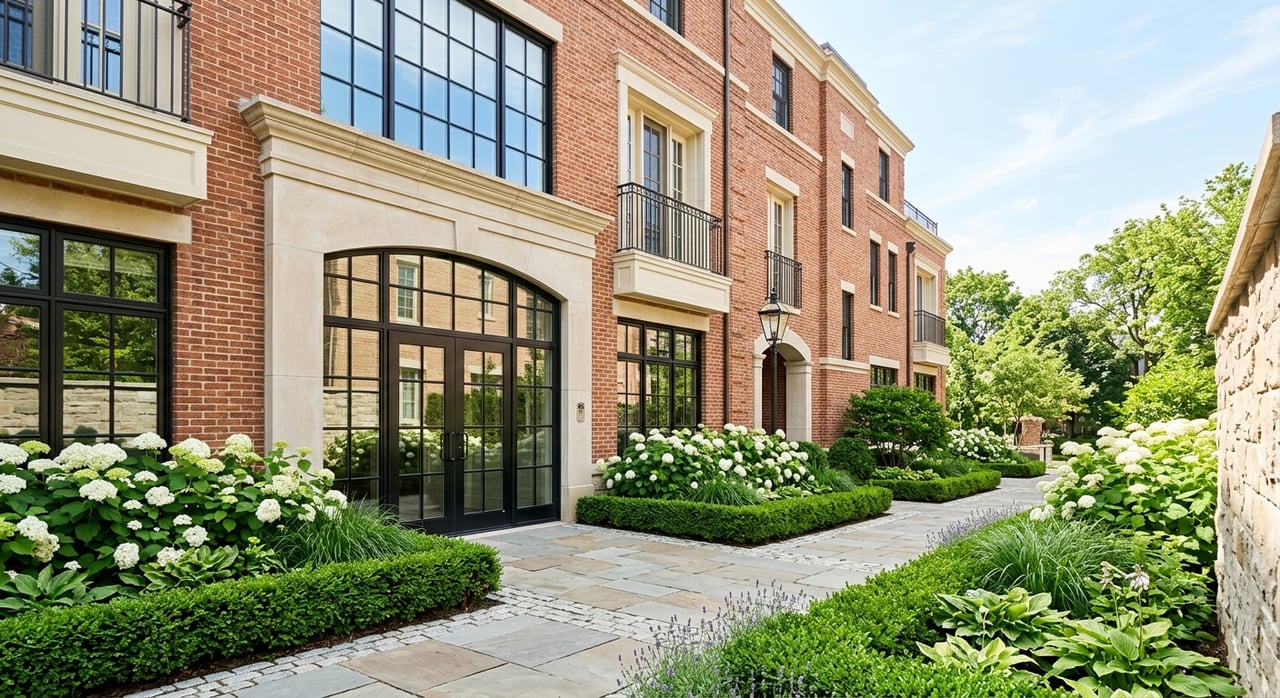
Luxury buyers do not shop Birmingham as one single category. They compare homes block by block and neighborhood by neighborhood, including areas such as Quarton Lake Estates, Downtown Birmingham, Sheffield, Eton, Bloomfield Village, and Artesian Heights. That means your sale strategy should be built around your home’s exact location and how it compares with nearby active and recent listings.
Buyer priorities also support this local approach. A 2025 NAR buyer survey found that neighborhood quality, convenience to friends and family, and convenience to work ranked among the top location factors. For your sale, that means the story around lifestyle, location, and everyday convenience should be specific and grounded in the home’s setting.
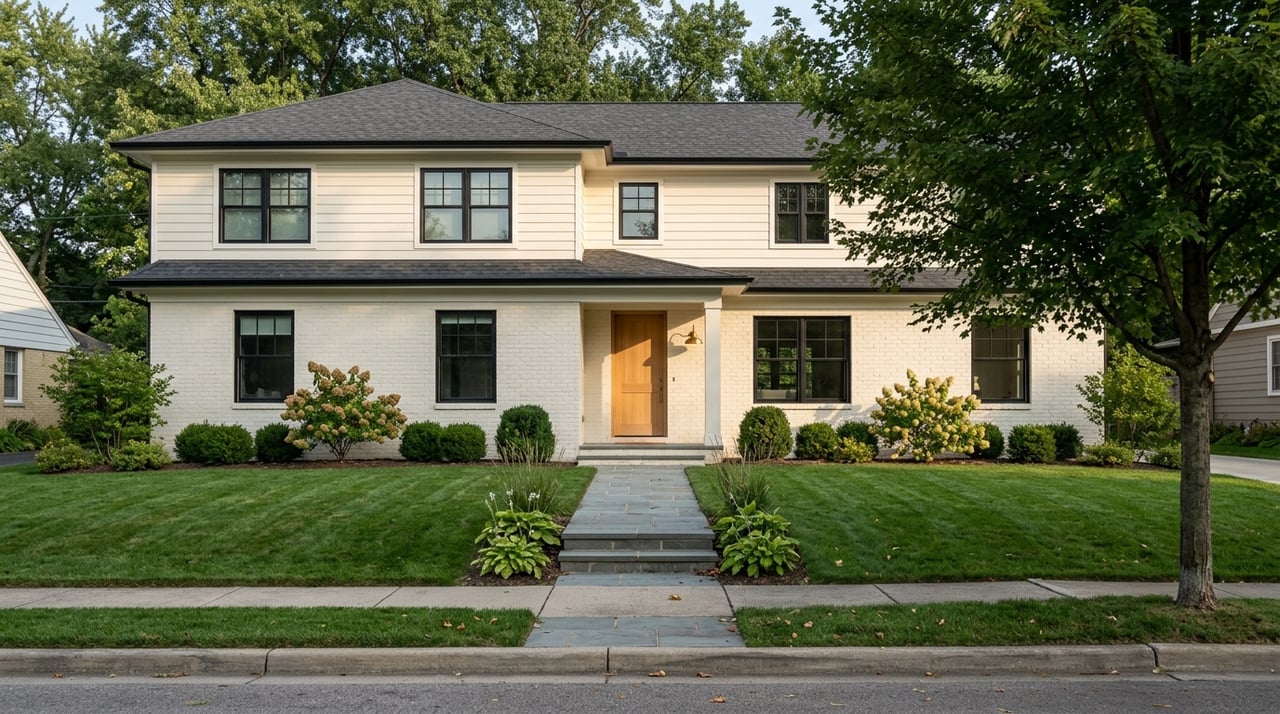
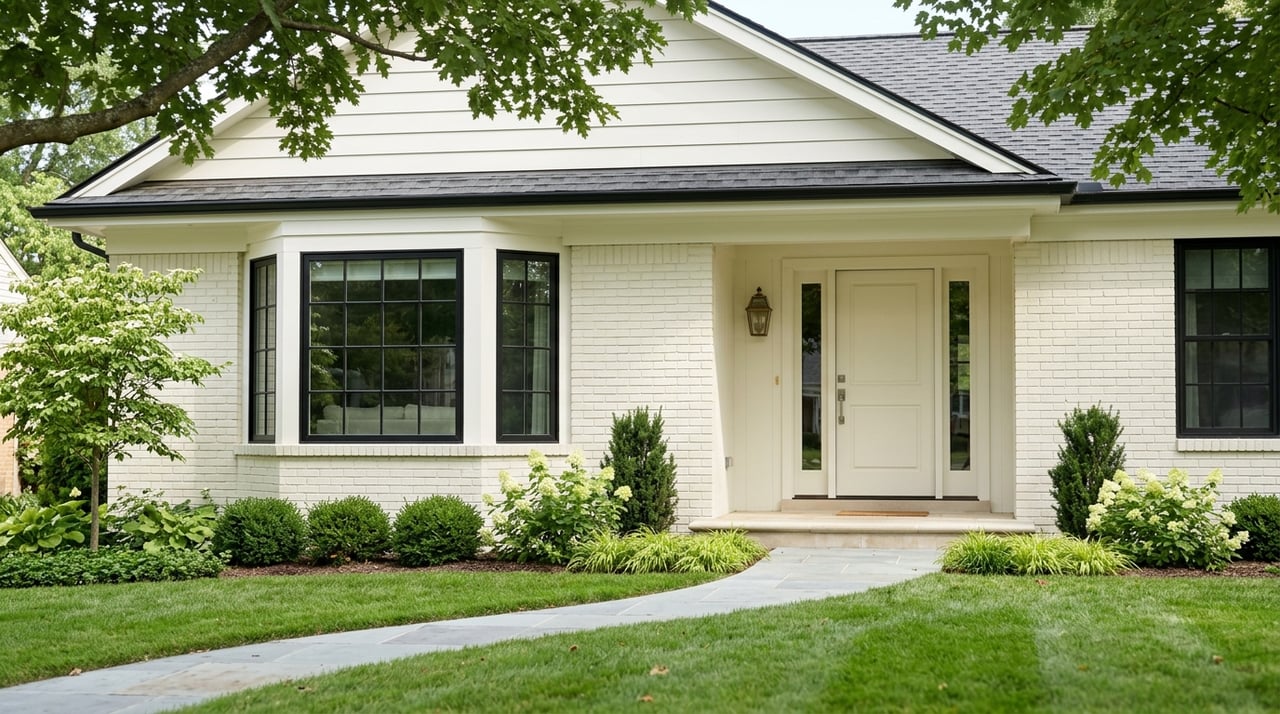
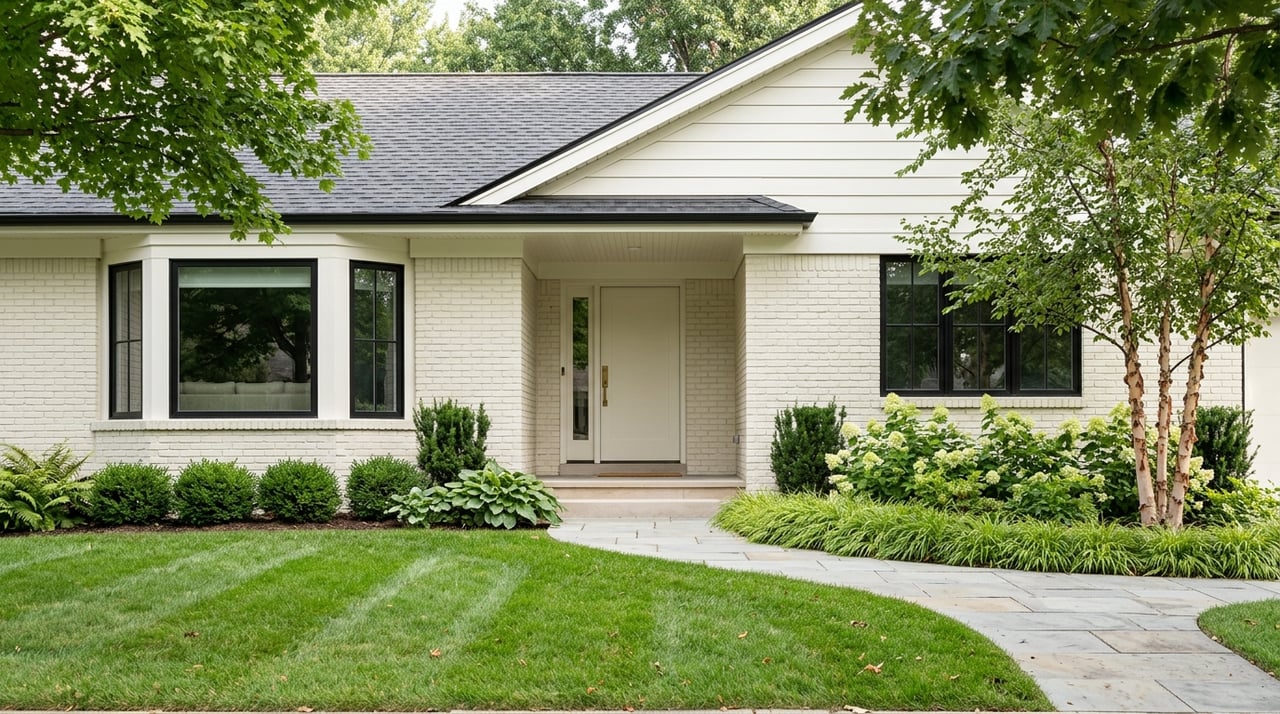
Luxury buyers form impressions quickly, and they usually form them online first. That is why pre-market preparation is one of the most important parts of a successful sale. Cleaning, decluttering, and addressing visible issues before photography can help your home show at its best from day one.
According to NAR’s consumer guidance on marketing a home, sellers should pay close attention to windows, carpets, lighting fixtures, walls, and curb appeal before listing. These items may sound basic, but in a higher-end market they often shape how buyers judge overall upkeep. If the first impression feels clean, bright, and cared for, buyers are more likely to view the home as move-in ready.
Not every room needs the same level of attention. NAR’s 2025 staging report found that the living room mattered most for staging, followed by the primary bedroom and kitchen. If you are prioritizing time and budget, those spaces are usually the best place to start.
That same report found that 83% of buyers’ agents said staging made it easier for buyers to visualize the home as their future home. It also found that 17% of buyers’ agents said staging increased dollar value offered by 1% to 5% compared with similar unstaged homes. In a luxury sale, that can make staging a strategic decision, not just a cosmetic one.
Your goal is not to erase your home’s character. Your goal is to reduce distraction and help buyers focus on the space, scale, and finishes. That often means simplifying décor, removing excess furniture, and making sure natural light and flow are easy to see.
A smart pre-listing checklist may include:
One of the biggest mistakes in a luxury sale is relying too heavily on a rule of thumb. Birmingham’s market data shows a meaningful spread between listing prices, sold prices, and luxury inventory. That is a strong reminder that no fixed threshold or quick formula can price a high-end home correctly.
Instead, your list price should come from a pricing band built around the home’s immediate competition. That includes recent comparable sales, current active listings, condition, lot characteristics, renovation level, layout, and how your home presents against what buyers can tour right now. In a market with sophisticated buyers, overpricing can reduce momentum, while underpricing without a clear strategy can leave value behind.
The launch matters because buyers pay close attention when a listing first hits the market. NAR’s marketing guidance notes that MLS exposure typically provides the broadest exposure to prospective buyers. It also notes that the first open house on the weekend after a home goes live can help maximize attention.
That does not mean every luxury home should follow the exact same formula. It does mean you should avoid going live before your photography, description, showing plan, and pricing strategy are fully ready. In many cases, your strongest burst of attention comes early, so preparation before launch is often more valuable than rushing to market.
In Birmingham’s luxury segment, digital presentation is essential. NAR’s 2025 staging report found that buyers’ agents ranked photos as the most important tool, followed by physical staging, videos, and virtual tours. That order matters because most buyers see the home online before they ever request a showing.
If the listing package feels incomplete at launch, you risk losing early interest. A luxury home should come to market with polished visuals, a clear and concise property description, and a showing process that is easy to understand. Delays after the listing goes live can weaken momentum.
A strong launch often includes:
For many sellers, this is where trusted guidance matters most. Negotiation, timing, and presentation all work together, and they are rarely one-size-fits-all.
Privacy is often a major concern in a luxury home sale, especially for longtime owners, downsizers, and households managing a transition. A successful sale is not only about getting buyers through the door. It is also about controlling access in a way that protects your home and your personal information.
Realtor.com’s seller safety guidance recommends appointment-only showings, not showing alone, protecting valuables and personal documents, asking for identification, and limiting open-house traffic. It also suggests back-to-back showing windows in 15- to 20-minute increments for sellers who want a more controlled process.
For a Birmingham luxury listing, a discretion-first plan often makes sense. That means vetting showings carefully, removing personal documents and valuables, and creating a controlled traffic pattern rather than an open-door environment. This kind of structure can help your home show well while also giving you peace of mind.
Before showings begin, consider removing or securing:
A smooth sale also depends on handling the legal and financial details correctly. In Michigan, the Seller Disclosure Act requires a written seller’s disclosure statement to be delivered before the seller signs a binding purchase agreement. The form covers the property’s condition and asks about items such as appliances and systems, basement water, roof leaks, flood insurance, mineral rights, shared features, municipal assessments, and pending litigation.
It is important to understand that this disclosure is a statement of condition, not a warranty. Still, accuracy matters. For a luxury seller, thoughtful preparation of disclosures can help reduce stress later in the transaction.
Michigan law also requires licensees to disclose available agency relationships and their duties before a buyer or seller shares confidential information. In a high-end sale, that matters because confidentiality, representation, and communication boundaries should be clear from the start. When expectations are set early, it is easier to protect your interests during negotiations.
Closing costs are another area where planning helps. According to the Oakland County Register of Deeds, county real estate transfer tax is $0.55 per $500 of consideration, and the state transfer tax is $3.75 per $500. These are standard costs to factor into your net proceeds conversation.
Michigan Treasury also states that a transfer of ownership generally causes taxable value to uncap in the following calendar year. That may be relevant when buyers compare your current property tax bill with what their future tax burden could look like. Clear communication around this point can help prevent confusion during negotiations.
Selling a luxury home is not just about exposure. It is about the decisions you make before, during, and after launch. NAR’s 2025 profile found that most buyers purchase through a real estate agent or broker, and buyers often want help with finding the right home, negotiating terms, negotiating price, and handling paperwork. On the seller side, most also sold with an agent, with top priorities including marketing, competitive pricing, and selling within a desired timeframe.
That combination is exactly why a luxury sale benefits from a calm, tailored approach. You need pricing that reflects the market, presentation that supports the asking price, and a negotiation plan that protects both your timing and your bottom line. In Birmingham, where the details can shape both interest and outcome, a high-touch strategy is often what helps a sale feel successful.
If you are preparing to sell in Birmingham or a nearby Oakland County community, the right plan starts with understanding your home’s position in the market and building around your priorities. For personalized guidance, local insight, and a discreet, relationship-first approach, connect with Sandy Farida.
Stay up to date on the latest real estate trends.
Serving Birmingham and Oakland County’s most sought-after communities, Sandy Farida combines local expertise with elevated service. With deep community roots and strong cultural understanding, she delivers a discreet, strategic experience tailored to every client she represents.
Farida Properties
400 S Old Woodward Ste 100 Birmingham, MI 48009