A Guide to Walkable Living in Birmingham MI
July 2, 2026
July 2, 2026
If you love the idea of stepping out your door and walking to coffee, dinner, a park, or a weekend event, Birmingham may already be on your radar. The key is knowing that not every part of the city feels the same on foot, and that can make a big difference when you start your home search. In this guide, you’ll get a clear picture of where walkable living really shows up in Birmingham, what day-to-day life can look like, and what to keep in mind before you move. Let’s dive in.
When people talk about walkability in Birmingham, they are usually talking about the downtown core. Downtown Birmingham has a Walk Score of 96 out of 100, while the city overall scores 60 out of 100. That gap matters because it shows that the most walkable lifestyle is concentrated in specific blocks rather than spread evenly across the entire city.
The strongest walkable areas are around Old Woodward, Merrill, Maple, Booth Park, and Shain Park. In that part of town, retail, dining, services, public space, and events are clustered closely together. That layout makes it much easier to handle parts of your day without getting in the car every time.
A walkable lifestyle in Birmingham often means your routine feels simpler and more connected. You might start with coffee, run a quick errand, stop for lunch, browse a few shops, and meet friends for dinner, all within a relatively small radius. The downtown district includes nearly 300 retailers along with restaurants, salons, spas, galleries, gift shops, jewelers, antique shops, movie theaters, and a central park.
Because Birmingham is a compact city at 4.79 square miles, the downtown experience fits naturally into everyday life. You are not necessarily choosing a fully car-free lifestyle. Instead, you are choosing more convenience and more opportunities to keep daily plans close to home.
One reason Birmingham’s walkable core stands out is that green space is built into the experience rather than pushed to the edges. Shain Park, located on Merrill Street downtown, is described by the city as the heart of the city. The 2.26-acre park includes seating, a fountain and plaza area, public art, bike racks, gardens, a playground, and a band shell used for summer concerts.
Booth Park adds another layer to the lifestyle. City plans for trail improvements include accessible seating and gathering areas, a restroom facility, native gardens, accessible boardwalks and viewing areas, pedestrian bridges, and stronger connections from Willits to Maple and toward the Birmingham Museum. For buyers who want walkability plus outdoor space, that combination can be especially appealing.
The city’s 2024 to 2028 Parks & Recreation Master Plan also emphasizes wellness, connection, accessibility, and inclusivity. That gives useful context if you want a location where public space supports daily life, not just occasional recreation.
Walkability is not only about sidewalks and storefronts. It is also about whether there is enough going on nearby to make walking feel worthwhile. In Birmingham, seasonal programming plays a big role in that experience.
The Birmingham Farmers Market runs on Sundays from May through October. It features Michigan-grown produce, meat and dairy, floral arrangements, plants, artisan goods, live music, food trucks, and special events. That kind of recurring event can turn a simple Sunday walk into part of your weekly routine.
Downtown also hosts outdoor Movie Nights at Booth Park, the In the Park concert series in Shain Park, and events such as Day on the Town. For many buyers, that is part of the draw. You are not only close to places to go, but also close to things happening throughout the year.
One of the most practical things to understand about Birmingham is that walkability and driving coexist. Even if you plan to walk often, you may still use a car for commuting, school drop-offs, regional shopping, or visiting nearby communities. Birmingham supports that balance well.
The city offers five municipal parking garages downtown. The first two hours are free in garages Monday through Saturday, and parking is free on Sundays in garages and at meters. That setup helps downtown stay accessible for residents, visitors, and anyone who wants the benefits of a walkable core without giving up the convenience of driving when needed.
If you want a more walkable lifestyle, your housing choices may look different from what you would expect in a more spread-out suburban setting. City planning and development activity point to an active mix of commercial, mixed-use, and residential projects in and around the core. The city’s 2040 Master Plan also notes zoning updates in the Downtown and Triangle District that are intended to simplify rules rather than fundamentally change them.
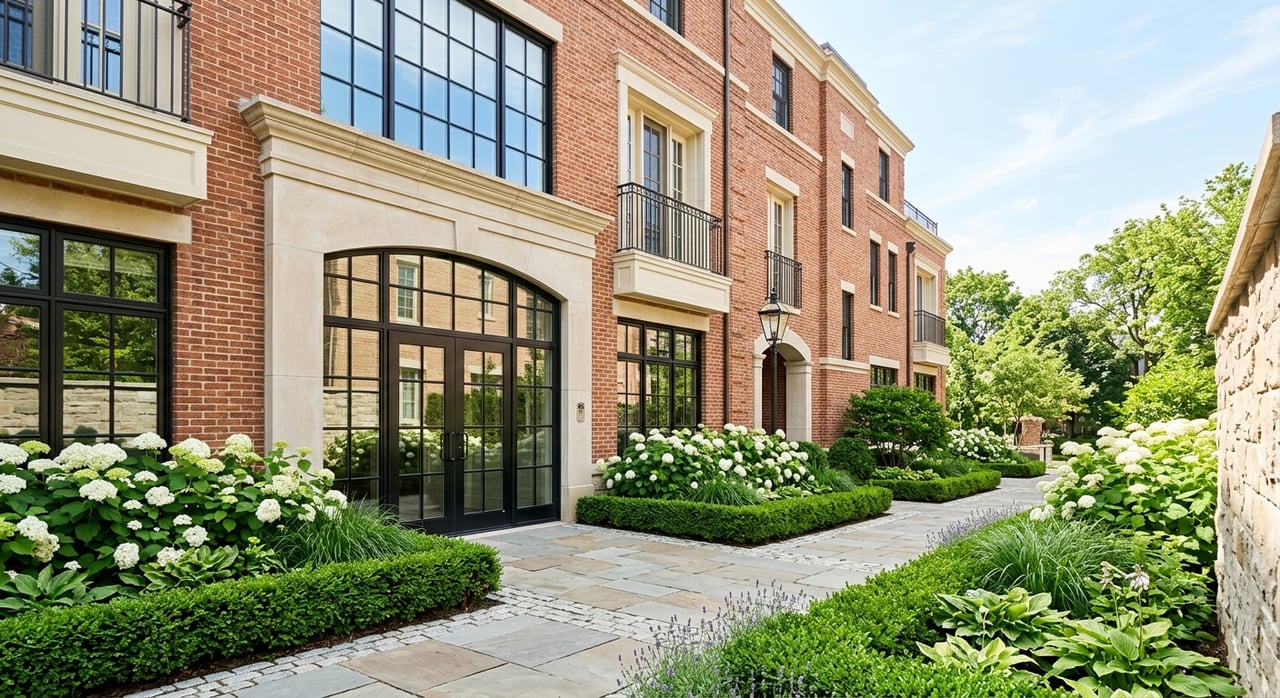
In practical terms, that means the walkable part of Birmingham is shaped by a mix of uses rather than a large-lot suburban pattern. You may find that condos, apartments, townhome-style options, and homes closer to downtown support the lifestyle better than properties farther from the center. If your goal is to walk more often, exact location matters just as much as property type.
It is easy to hear “Birmingham” and assume the whole city offers the same experience. The data says otherwise. A citywide Walk Score of 60 is very different from a downtown score of 96, which means your daily routine can change a lot depending on where you live.
If walkability is high on your list, you will want to define what that means for you early in the search. For one buyer, it may mean being able to walk to dinner and weekend events. For another, it may mean having nearby parks, errands, and services within a shorter distance. The clearest path is to focus on proximity to the downtown core and evaluate homes through that lens.
Birmingham’s walkable lifestyle tends to appeal to people who value convenience, activity, and proximity. You may like it if you want dining, shopping, services, parks, and events close together in a smaller footprint. That can be especially attractive for relocators, downsizers, busy professionals, and buyers who want to stay connected to daily activity.
It is also worth knowing that a lively downtown environment is not the same as a quiet one. The walkable core is active by design, with shops, restaurants, events, and regular foot traffic. For some buyers, that energy is a major plus. For others, it may shape where they decide to buy within the city.
If you are serious about walkable living in Birmingham, it helps to narrow your priorities before touring homes. That keeps the search focused on how you want to live, not just on square footage or finishes.
Here are a few smart questions to ask yourself:
Those answers can help you identify the right pocket of Birmingham and the right type of property for your goals.
If you are considering a move and want a clear picture of how different parts of Birmingham live day to day, working with a local advisor can make the process much more strategic. Sandy Farida offers personalized guidance for buyers, sellers, relocators, and investors who want thoughtful advice and a steady hand through every step.
Stay up to date on the latest real estate trends.
Serving Birmingham and Oakland County’s most sought-after communities, Sandy Farida combines local expertise with elevated service. With deep community roots and strong cultural understanding, she delivers a discreet, strategic experience tailored to every client she represents.
Farida Properties
400 S Old Woodward Ste 100 Birmingham, MI 48009